I Do Redo! Transforming Wedding Gowns into Timeless Treasures
Updated: Aug 12
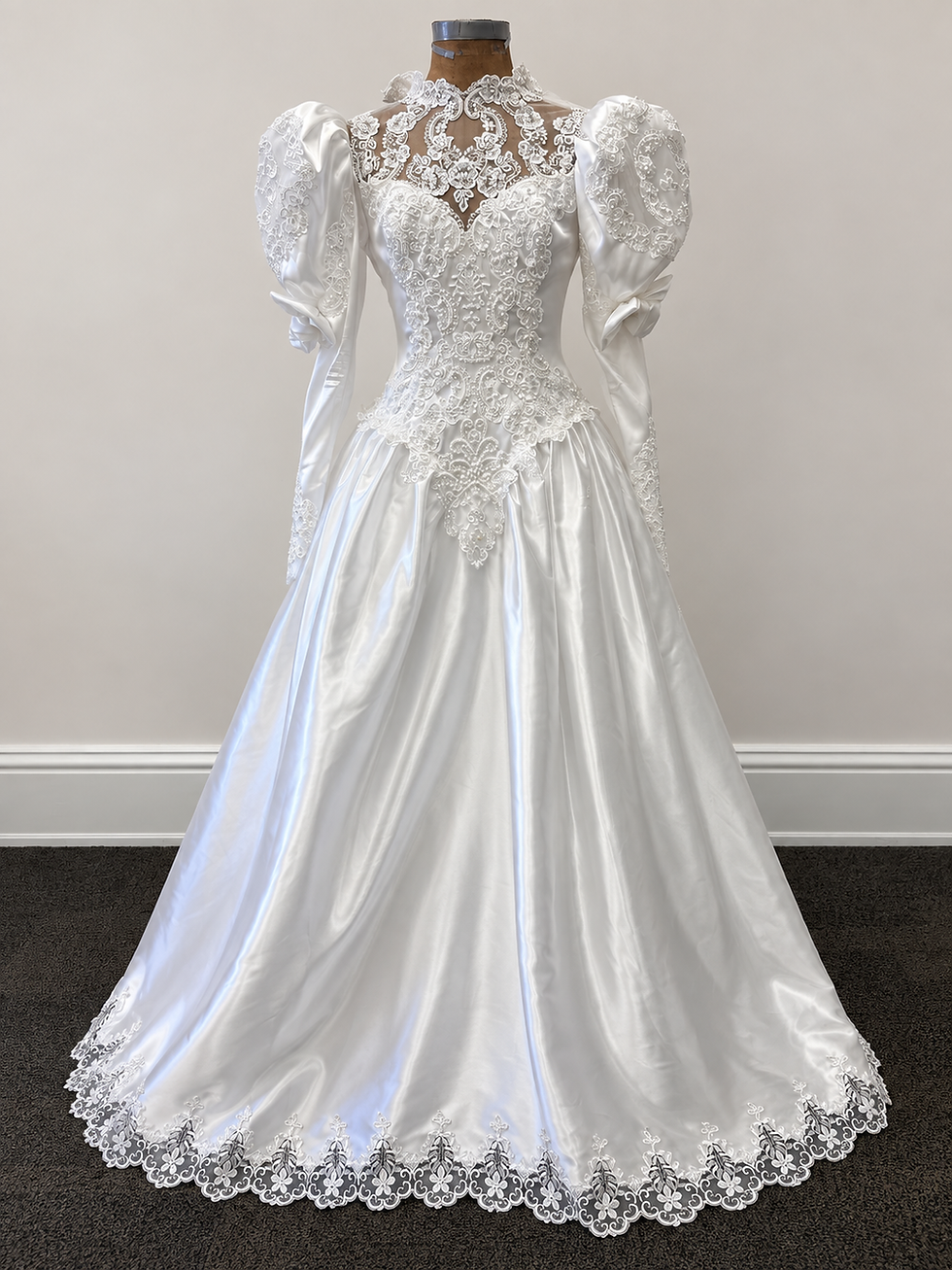
A wedding gown is more than just fabric, lace, and beading. It carries memories, family history, and the story of the woman who wore it before. Whether it belonged to a mother, grandmother, or another cherished family member, transforming a wedding gown into something new is a meaningful way to honor the past while creating a piece that reflects your own style.
Many people are surprised to learn that a gown transformation is much more than a simple alteration. Every project begins with a design process that combines creativity, technical expertise, and couture craftsmanship.
Step 1: Discovering the Possibilities
The first step is evaluating the original gown. Every garment has unique characteristics that influence the transformation process. These include fabric condition, construction methods, lace placement, beading, and silhouette.
Some gowns lend themselves beautifully to a complete redesign. Others are better suited for partial transformations that preserve special details. During this stage, we discuss your vision, inspiration, and how you hope to wear the finished piece.
Step 2: Finding the Design Direction
A successful transformation balances the history of the original gown with the style of the person wearing it today. Some brides envision a modern wedding gown created from a vintage design. Others prefer a mini reception dress, rehearsal dinner dress, bridal shower outfit, cape, robe, or keepsake piece.
Inspiration photos and design references help guide the process. They establish a clear direction before any cutting begins.
Step 3: Pattern Development
This is where transformation becomes true design. Unlike traditional alterations, a gown transformation often requires entirely new pattern pieces. Existing seams, lace motifs, and fabric limitations must be carefully considered as new silhouettes are developed.
Every design decision is made with the goal of preserving the most meaningful elements of the original gown. We aim to create a garment that feels intentional, balanced, and beautifully constructed.
Step 4: Deconstruction and Reconstruction
Once the design is finalized, the original gown is carefully taken apart. Lace, trims, appliqués, and fabric panels are preserved and organized before being incorporated into the new design.
This stage requires extensive planning and couture sewing techniques. Unlike working with new fabric, heirloom materials often present unique challenges due to age, previous alterations, or preservation treatments. Careful handling ensures these treasured materials continue their story for another generation.
Step 5: Bringing the Vision to Life
As the new garment takes shape, every detail is refined to achieve the desired fit and finish. The goal is not simply to reuse fabric, but to create a piece that feels as though it was always meant to be worn this way.
The result is a one-of-a-kind design that honors family history while reflecting the personality and style of its new owner.
More Than a Dress
A wedding gown transformation is about more than fashion. It is about preserving memories, celebrating family connections, and giving a meaningful garment a new chapter.
At I Do Redo! by SuZann Designs, each transformation is approached with thoughtful design, technical expertise, and respect for the story behind the gown. Because some dresses are too meaningful to stay in a box.
It was hers before you. Now it becomes part of your story.
The Emotional Journey of Transformation
Transforming a wedding gown is not just a physical process; it is an emotional journey. Each stitch and seam carries the weight of memories and dreams. As we embark on this journey together, I encourage you to share your thoughts and feelings.
Embracing the Past
As we begin, it's essential to embrace the past. The original gown holds stories that deserve to be honored. Whether it’s the laughter shared during a wedding or the tears shed during a farewell, these moments are woven into the fabric of the gown.
Crafting Your Unique Narrative
While we cherish the past, we also look forward to crafting your unique narrative. Your gown transformation is a celebration of who you are today. It’s about merging history with your personal style.
The Joy of Creation
There is immense joy in creation. As we work together, you will witness the metamorphosis of the gown. Each fitting brings us closer to the final piece, and with it, the excitement of wearing something that is uniquely yours.
Final Thoughts
In conclusion, transforming a wedding gown is a beautiful way to honor family history while creating something new and personal. It’s a process filled with love, creativity, and respect for the past.
At I Do Redo! by SuZann Designs, we believe that every gown has a story worth telling. Let us help you tell yours. Because your journey deserves to be celebrated in a way that is as unique as you are.
Let’s create something beautiful together.


Comments